digital guider

The Electronic Door Lock Battery Pack – Why Hotels Can’t Afford to Get This Wrong

Electronic door lock battery pack

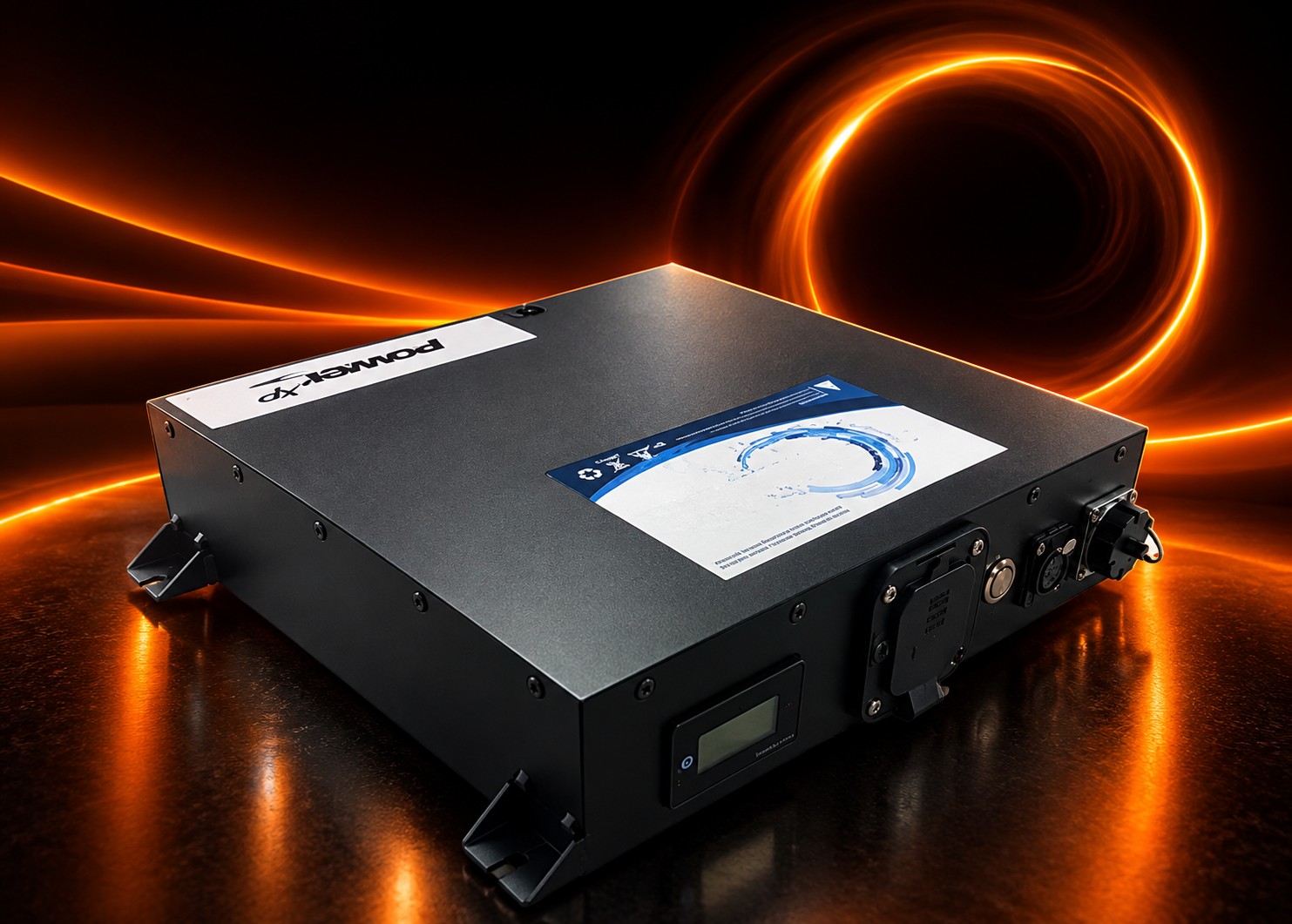
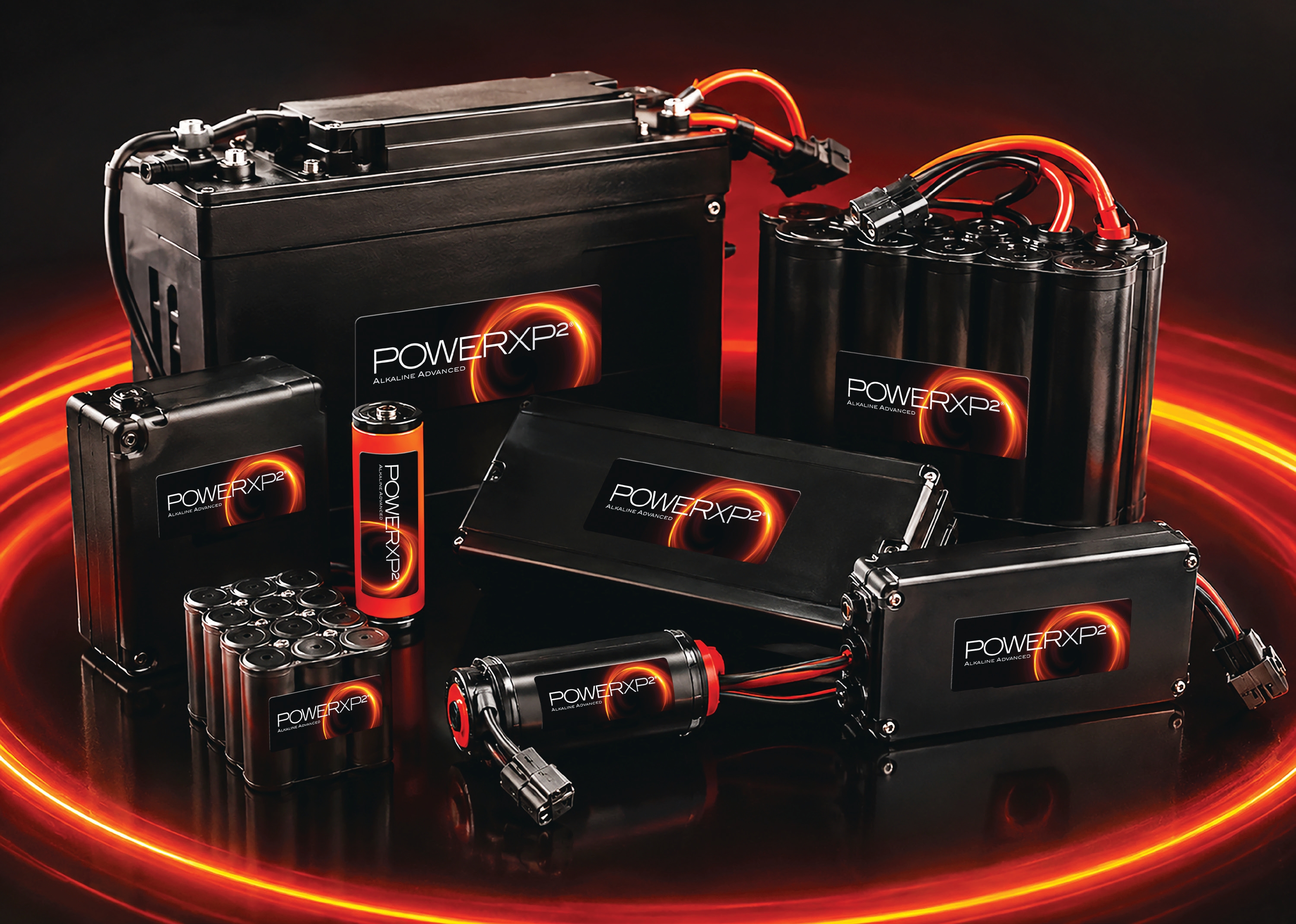
There are over five million hotel rooms across more than 112,000 properties in the United States alone. The vast majority of them use electronic door locks. And nearly every one of those locks is running on alkaline batteries – either individual cells or a custom electronic door lock battery pack with a proprietary connector and a specific form factor. According to Business Travel News, this is the silent operational reality that most hotel operators don’t fully appreciate until the first guest comes back to the front desk with a card that won’t open their room. At that point, it stops being a battery question and becomes a guest service failure. And in 2025, guest service failures travel fast. Why Does the Hotel Door Lock Power Supply Matter More Than You Think? The hotel door lock power supply is the last thing most general managers think about when they’re planning a guest experience strategy. It should probably be the first. A malfunctioning electronic lock doesn’t just inconvenience the guest standing in the hallway at 11 p.m. It creates a cascade – the front desk gets called, a maintenance team member gets dispatched, the guest waits in a corridor, and depending on the hour, that maintenance call might cost real overtime. Multiply that across a property with 300 rooms, even a small fraction of which are running on degraded batteries at any given time, and the operational cost becomes significant. The root cause in most of these situations isn’t a faulty lock mechanism – it’s a failed or underperforming battery that didn’t make it to the scheduled PM change. That’s the problem Powerhouse Two was built to solve. And the Power XP2 is the solution they developed specifically for this application. Learn more about Powerhouse Two’s hospitality battery solutions at https://powerhb.com/hospitality-batteries/. What Makes Electronic Door Locks Different From Other Battery-Powered Devices? Most alkaline battery applications are relatively forgiving in terms of how they draw power. A remote control, a clock, a wireless sensor – these devices draw small, steady currents over long intervals. An electronic door lock is fundamentally different. Every time a guest presents a key card, the lock’s motor actuates. That actuation draws a sharp, high-current pulse – a demand spike that the battery needs to meet instantly and then recover from before the next actuation. In a busy hotel corridor, that cycle happens dozens of times per day. In a hotel with Bluetooth-enabled or RFID smart locks, the power draw profile is even more complex – these systems pull power differently than traditional card reader activated locks, with ongoing wireless communication adding a background load between actuations. Powerhouse Two engineers battery solutions that account for this specific duty cycle. This ensures a consistent discharge curve – which means your locks work reliably and in concert with PM schedules. Visit https://powerhb.com/door-lock-battery-packs/ for the full product range. How Does Powerhouse Two’s Power XP2 Solve the Hotel Battery Problem? The Power XP2 AA  cell is engineered specifically for high-demand environments in small spaces – precisely the profile of an electronic door lock system. It was developed in direct response to a challenge from Assa Abloy, the world’s largest lock manufacturer, who asked for a cell that would outperform every alternative in their electronic door lock systems. The Power XP2 beat every competitor by over 20% on runtime, voltage recovery, and operational reliability. The engineering features that deliver this performance are specific and verifiable. Steel casing eliminates the oxidation and leakage risk that causes failures in cheaper cells. In the real world, any battery could leak – most leaks are caused by faulty separators or improper ventilation. Powerhouse Two uses high-quality internal components and strong steel casings to protect your equipment. Quick recovery technology maintains voltage output between the high-draw actuations that characterize door lock operation. And the advanced chemistry formulation ensures that every lock on your property performs consistently, with the only variable being how often it is used. What Is the Business Case for Upgrading Your Door Lock Battery Pack? The business case is simple and it connects directly to three measurable outcomes. First, reduced service calls. When batteries last longer and perform more consistently through their full service life, the volume of mid-cycle battery failure calls drops. Second, predictable PM scheduling. The consistent discharge curve of the Power XP2 means battery replacement schedules can be built around actual service intervals rather than conservative guesses. Third, the benefit of lot consistency – every battery in the same production lot performs to the same specification. It means that every lock in your hotel will perform consistently, with the only variable being how often it is used. Powerhouse Two also offers custom electronic door lock battery packs for properties whose lock systems use proprietary pack form factors. These custom packs are filled with Power XP2 cells and built to the exact dimensional and connector specifications required by the lock system. Powerhouse Two makes and stocks door lock battery packs for nearly every popular lock in use today. And behind all of it is a one-year post-installation warranty – the only warranty of its kind in the battery industry. If a Power XP2 cell or pack fails within one year of installation, Powerhouse Two stands behind it. Contact the Powerhouse Two team at https://powerhb.com/contact-us/ to discuss your property’s door lock battery requirements, or visit https://powerhb.com/ to explore the full product range. Match the Cell to the Mission – Your Hotel Deserves Power That Performs Battery procurement for a hotel property is not a commodity decision. It’s an operational decision with direct consequences for guest experience, maintenance labor, and service reliability. The Power XP2 was engineered for exactly this mission. It’s not a general-purpose alkaline cell that happens to work in door locks – it’s the only cell formulated specifically for the demands of an electronic locking system. Frequently Asked Questions (FAQs) How often should hotel electronic door lock batteries be replaced? Replacement intervals depend on the lock model, traffic volume, and battery quality. The Electronic Door Lock Battery Pack – Why Hotels Can’t Afford to Get This Wrong

What Real Battery R&D Services Look Like and Why the Alkaline XP2 Battery Is the Result

battery R&D services

Most businesses don’t think much about battery R&D services – that’s the manufacturer’s problem, not the buyer’s. But here’s the thing: the quality of a manufacturer’s research and development process is exactly what determines whether the battery you put in your device is going to perform the way you need it to, or whether it’s going to let you down at the worst possible moment. The Alkaline XP2 battery from Powerhouse Two exists because of a disciplined R&D process that started with a specific, demanding application and engineered a solution that outperformed every available alternative. What Do Battery R&D Services Actually Involve? Battery R&D services encompass the full range of technical activities involved in developing, improving, or validating a battery or battery-powered system. At the materials level, this includes chemistry formulation – selecting and optimizing the electrochemical compounds that make up the anode, cathode, electrolyte, and separator. At the cell level, it involves designing the physical architecture of the cell, including electrode dimensions, separator thickness, and casing construction. At the pack level, it involves cell configuration, thermal management, electrical architecture, and housing design. Beyond design, R&D services include testing – characterizing how a battery performs across its full operating range, under different load profiles, at different temperatures, and over its full cycle life. They also include failure analysis – understanding why a battery didn’t perform as expected and what changes to the chemistry or construction would fix the problem. The U.S. Department of Energy’s Battery and Electrification Summit has identified advanced battery R&D as the key enabler of next-generation commercial and grid-scale power applications. For commercial buyers, this translates directly: the battery manufacturer who invests seriously in R&D produces a better product. How Did the Alkaline XP2 Battery Come Out of a Real R&D Challenge? The story of the Power XP2 starts with the original Power XP – a battery developed specifically in response to a challenge from Assa Abloy, the world’s largest electronic lock manufacturer. The challenge was simple: build a cell that performs better in an electronic door lock than anything we’ve tested. Powerhouse Two answered with the Power XP, which beat every competing cell by over 20% on the key performance metrics – runtime, voltage recovery, and reliability under the specific duty cycle of an electronic door lock actuator. The Alkaline XP2 battery is the next generation of that work. It advances the chemistry further, incorporating steel casing for superior corrosion resistance, enhanced internal components for reduced separator failure risk, and quick recovery technology that maintains voltage output between the rapid-draw cycles characteristic of smart lock and RFID access systems. A Bluetooth-enabled or RFID smart lock pulls power differently than a traditional card reader activated lock. The Alkaline XP2 is engineered with that reality in mind – ensuring a consistent discharge curve that means your locks work reliably and in concert with your PM schedules. Explore the Alkaline XP2 product range at https://powerhb.com/alkaline-by-power-xp/. What Makes Battery R&D Important for Power Supply Design? Power supply design and battery R&D are more connected than most product teams appreciate. The power supply architecture of a device – the voltage rails, the current draw profile, the acceptable voltage range, the thermal constraints – determines what battery chemistry will actually work in that device. And the battery chemistry, in turn, influences what the power supply architecture can realistically accomplish. When battery R&D services are applied upstream in the product development process, the product team avoids a common and expensive mistake: locking in a form factor and power supply architecture before fully understanding what the battery can and can’t provide. Powerhouse Two’s design and development team engages with product clients at the specification stage, providing chemistry guidance that shapes the power supply design before it’s fixed. For AC/DC power supply applications, Powerhouse Two’s portfolio also includes power adapters and chargers. See the full range at https://powerhb.com/power-supplies-chargers-and-ac-dc-adapters/. How Can Businesses Access Battery R&D Expertise Through Powerhouse Two? Powerhouse Two’s R&D engagement model is client-driven. It begins with a conversation about the application – the device, the operating environment, the performance requirements, and the constraints. From there, the Powerhouse Two team applies two decades of chemistry and application knowledge to identify the right solution, develop a specification, and support the client through prototype and production. This is not a model that requires the client to be a battery expert. Clients come to Powerhouse Two precisely because they’re not battery experts – they’re device manufacturers, facility operators, or procurement managers who need a power source that works. The R&D expertise resides on the Powerhouse Two side of the relationship, which is exactly where it should be. Whether the application calls for an Alkaline XP2 battery in a standard size or a fully custom lithium pack in a proprietary form factor, the entry point is the same: contact the Powerhouse Two team at https://powerhb.com/contact-us/ and start the conversation. Visit https://powerhb.com/ to learn more about Powerhouse Two’s full range of battery solutions. Don’t Buy a Battery – Buy the Engineering Behind It The commercial battery market is full of products that look similar on a data sheet and perform very differently in the field. The difference is almost always in the R&D investment behind the cell. Powerhouse Two’s Alkaline XP2 battery is the product of over two decades of application-focused engineering. If your current battery isn’t keeping pace with your operational demands, that’s the conversation worth having. Frequently Asked Questions (FAQs) What types of battery R&D services does Powerhouse Two offer? Powerhouse Two provides chemistry guidance, cell and pack specification development, prototype production, performance testing, and failure analysis for commercial and industrial battery applications. How long did it take to develop the Power XP2 from the original Power XP? The Power XP has been in service for over two decades. The Power XP2 was introduced in 2025 as a next-generation advancement of that chemistry, building on years of field performance data and R&D. Can battery R&D services help reduce product warranty claims? Yes. Selecting the right battery What Real Battery R&D Services Look Like and Why the Alkaline XP2 Battery Is the Result

What Should You Expect From an OEM Battery Supplier With Real Engineering Capability?

OEM battery supplier

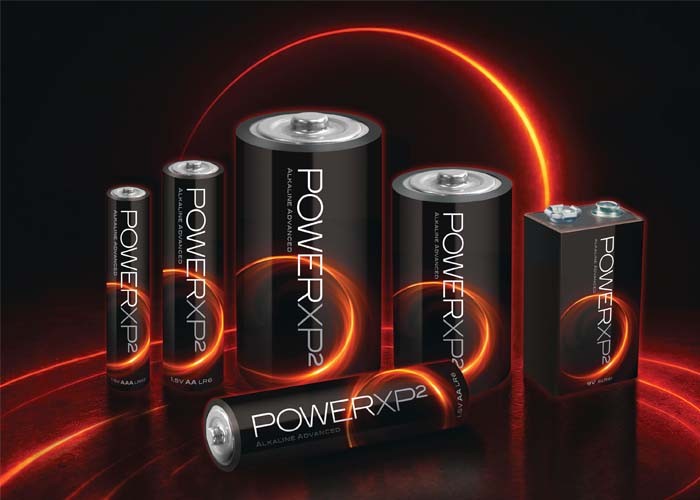
The term OEM battery supplier gets used loosely in the battery industry. A lot of distributors call themselves OEM suppliers because they sell to OEMs. But selling batteries to OEM manufacturers and actually providing battery engineering services that support the design and development of OEM products are two very different things. If you’re building a product that runs on battery power, the distinction matters more than most procurement teams realize until they’re deep into a product development cycle with a supplier who can’t answer a chemistry question. What Is an OEM Battery Supplier and What Should They Actually Provide? An OEM battery supplier serves original equipment manufacturers who integrate battery power into finished goods. The battery is a component of the product — not an accessory sold separately — which means it needs to meet the same engineering standards as every other component in the assembly. A genuine OEM battery supplier provides several things beyond the cell itself. They provide chemistry guidance at the specification stage, helping the product team understand which electrochemical system fits the application’s voltage, current, temperature, and cycle requirements. They support prototyping — producing test quantities that allow the product team to validate battery performance before committing to a production specification. They provide test data and documentation that supports regulatory review. And they deliver production quantities with lot-to-lot consistency that the product team can rely on. A distributor who stocks batteries and ships to OEM addresses provides none of that. The line between the two is clear once you know what to look for. Powerhouse Two’s contract manufacturer and OEM services page lays this out directly: https://powerhb.com/contract-manufacturers-oems/. Their foundational commitment is that when your name is on the line, their name is on the line. What Do Real Battery Engineering Services Look Like in Practice? Battery engineering services begin before a single cell is specified. At Powerhouse Two, the engagement starts with discovery — understanding the device architecture, the power demand profile, the physical form factor constraints, and the deployment environment. That information drives chemistry selection. From there, the process moves through cell or pack specification, prototype development, test and validation, and documentation preparation. In some cases — particularly for devices with non-standard form factors or proprietary connector requirements — the engagement includes injection-molded housing design and connector integration as part of the pack engineering process. For medical device OEMs, this process also needs to produce documentation that meets FDA guidance on battery and power supply management for regulated devices. For industrial equipment OEMs, it may need to address specific environmental or electromagnetic compatibility standards. Battery engineering services that can’t support these requirements aren’t really engineering services — they’re product selection with extra steps. The U.S. National Institute of Standards and Technology has published frameworks for battery performance testing that define the standards a serious OEM battery supplier should be building to (https://www.nist.gov/). How Does Powerhouse Two Support OEM Battery Clients Through the Product Lifecycle? Powerhouse Two’s OEM support model covers the full product lifecycle. At the design stage, their team engages on chemistry selection and form factor development. At the prototype stage, they produce test quantities and support validation testing with documented performance data. At the production stage, they manage manufacturing and logistics to deliver consistent quality at scale. Their product range gives OEM clients the breadth to find the right solution regardless of the application. The Power XP2 alkaline line — available in AA, AAA, C, D, and 9V — serves OEMs integrating primary alkaline power into devices that need reliable, long-shelf-life performance. Their lithium battery portfolio covers multiple sub-chemistries for applications requiring rechargeable power, high energy density, or non-standard form factors. Explore the Power XP2 product family at https://powerhb.com/alkaline-by-power-xp/ and the home page at https://powerhb.com/ for the full scope of Powerhouse Two’s OEM capabilities. What Are the Most Common OEM Battery Engineering Challenges? Based on two decades of OEM battery supply experience, Powerhouse Two’s team regularly encounters a consistent set of engineering challenges. Form factor mismatch is one — the device was designed around a standard cell size, but the performance requirements actually need something more. Chemistry selection under-optimization is another — the OEM specified the first battery chemistry that seemed to work in bench testing, without considering how it would behave over the full operating cycle in the field. Connector and housing design is a third recurring challenge. Custom battery packs require connector geometries and housing dimensions that precisely match the device interface. Getting this wrong doesn’t just create a quality issue — it creates a field failure in the hands of the end customer. And documentation depth is often the challenge that surprises OEMs most — the regulatory and procurement documentation requirements for batteries in regulated industries are more demanding than most product teams anticipate. Working with an OEM battery supplier who has encountered and solved these challenges across a wide range of applications is significantly more efficient than discovering them independently during product development. Contact Powerhouse Two at https://powerhb.com/contact-us/ to discuss your OEM battery requirements. Your Battery Supplier Should Make Your Product Better — Not Just Power It The best OEM battery relationships aren’t transactional. They’re technical partnerships where the battery supplier’s expertise actively improves the product — reducing service costs, extending device life, and simplifying regulatory documentation. Powerhouse Two is built for that kind of relationship. If your current supplier is just shipping cells, it might be time to raise the bar. Frequently Asked Questions (FAQs) What chemistries does Powerhouse Two offer for OEM battery applications? Powerhouse Two offers alkaline (Power XP2), primary lithium, lithium-ion in multiple sub-chemistries, NiMH, and custom configurations. Chemistry selection is guided by application requirements. Can Powerhouse Two produce prototype battery packs for OEM validation testing? Yes. Powerhouse Two supports OEM clients through prototype development and validation testing before production specification is finalized. Does Powerhouse Two provide documentation for FDA-regulated medical device batteries? Powerhouse Two serves the medical device sector and can provide specification and test documentation. Contact the team to discuss specific regulatory What Should You Expect From an OEM Battery Supplier With Real Engineering Capability?

Why Smart Commercial Buyers Choose to Buy Powerhouse Batteries

Powerhouse Batteries

There’s a version of battery procurement that most businesses practice: buy whatever’s available in bulk from the nearest distributor, replace cells when devices fail, and accept the hidden operational cost as part of running a facility. Then there’s a better version — one that starts with understanding what a low self discharge battery actually does and why choosing the right cell from the right manufacturer changes the economics of device management entirely. When businesses decide to buy Powerhouse batteries, that’s the version they’re opting into. What Is a Low Self Discharge Battery and Why Does It Matter? A low self discharge battery is one that retains its charge over time with minimal capacity loss while sitting unused. All batteries self-discharge to some degree — the chemical reactions inside the cell don’t stop completely when the battery isn’t connected to a device. The rate at which this happens varies significantly by chemistry and by manufacturing quality. For commercial buyers, this matters in two specific scenarios. The first is inventory management — if you’re stocking batteries for maintenance purposes and those cells are losing meaningful capacity on the shelf before they’re ever installed, you’re paying for power you’ll never use. The second is device readiness — emergency devices, infrequently used access systems, and seasonal equipment need to be ready the moment they’re called upon. A battery that’s been sitting in a device for six months and has self-discharged to 60% of its original capacity is a problem waiting to happen. The U.S. Consumer Product Safety Commission has flagged battery performance degradation during storage as a contributing factor in failures of emergency devices, including smoke detectors and CO monitors (https://www.cpsc.gov/). Getting low self-discharge chemistry right is not a secondary specification. How Does Battery Self-Discharge Affect Commercial Operations? The operational costs of high self-discharge are often invisible until they compound. Consider a hotel with several hundred rooms, each with a thermostat, a remote control, and an electronic door lock running on alkaline cells. If those cells are losing charge during the intervals between PM battery replacement cycles, the facility is effectively running a subset of its devices on degraded power at any given moment. The consequences are unpredictable rather than uniform. Some devices fail early in the cycle. Others degrade performance without triggering an obvious failure — a lock that’s slower to respond, a remote that requires multiple presses, a sensor that’s reporting with a longer lag. These are the kinds of issues that generate service calls, guest complaints, and staff time that never gets attributed to battery quality in the after-action review. Powerhouse Two’s lithium battery solutions offer particularly strong low self-discharge characteristics for applications where cell readiness over extended storage intervals is critical. Explore the lithium battery range at https://powerhb.com/lithium-batteries-packs/. What Makes Powerhouse Two’s Power XP2 the Right Choice for Long-Term Deployments? The Power XP2 alkaline family is engineered to maintain charge integrity over the shelf-life intervals typical in commercial procurement. Advanced chemistry formulation and steel casing work together to minimize the internal chemical reactions that cause self-discharge in lesser cells. The result is a battery that arrives at the device with the capacity it was rated for — not a diminished version of it. In practical terms, this means that when a Powerhouse Two-trained facility maintenance team executes a scheduled battery replacement, the fresh cells they install are performing at their rated specification from the first use. That predictability is the foundation of reliable preventive maintenance — and it’s what allows hospitality operators and facility managers to set service intervals with confidence rather than guesswork. The Power XP2 comes in AA, AAA, C, D, and 9V configurations, giving commercial buyers a single-source solution for their entire alkaline inventory. Visit https://powerhb.com/ to learn more about the full product family. Who Should Be Buying Powerhouse Batteries and for What Applications? The short answer is: any B2B buyer for whom battery failure creates operational cost. That’s a wide group. The specific segments where Powerhouse Two has the deepest experience and the most tailored solutions include hospitality operators managing electronic door lock systems and in-room electronics; healthcare facilities running portable diagnostic and monitoring devices; janitorial and sanitation companies operating motorized dispensers across large facilities; first responder units and government facilities maintaining emergency equipment; and contract manufacturers and OEMs integrating batteries into finished goods. For all of these buyers, the decision to buy Powerhouse batteries is a decision to stop treating power supply as a commodity and start treating it as a managed operational variable. That shift pays dividends in reduced service calls, lower total battery spend over time, and more predictable device behavior across large fleets. Connect with the Powerhouse Two team at https://powerhb.com/contact-us/ to discuss your specific application and volume requirements. Make the Switch to Batteries That Are Ready When You Need Them The commercial battery market gives buyers a lot of options that look similar on paper and perform very differently in the field. Powerhouse Two’s Power XP2 and lithium battery lines are built around the performance requirements of real commercial applications — not around a retail price target. If your current battery supplier can’t tell you the self-discharge rate of the cells they’re selling you, that’s worth knowing. Frequently Asked Questions (FAQs) What is the shelf life of Power XP2 alkaline batteries Power XP2 alkaline cells are engineered to meet or exceed standard alkaline shelf-life specifications of five to ten years under recommended storage conditions. Do Powerhouse Two lithium batteries have lower self-discharge than alkaline cells? Yes. Lithium primary cells typically have significantly lower self-discharge rates than alkaline cells, making them the preferred choice for long-term emergency device deployments. Can I buy Powerhouse batteries in mixed lots of different sizes? Yes. Powerhouse Two accommodates commercial orders across the full Power XP2 size range. Contact the team to discuss multi-size order arrangements and volume pricing. Does Powerhouse Two offer a warranty on batteries purchased in bulk? Yes. The Power XP2 line carries a one-year post-installation warranty, which applies regardless of order volume. Why Smart Commercial Buyers Choose to Buy Powerhouse Batteries

What Does Injection Molding Have to Do With Battery Pack Performance?

battery packs

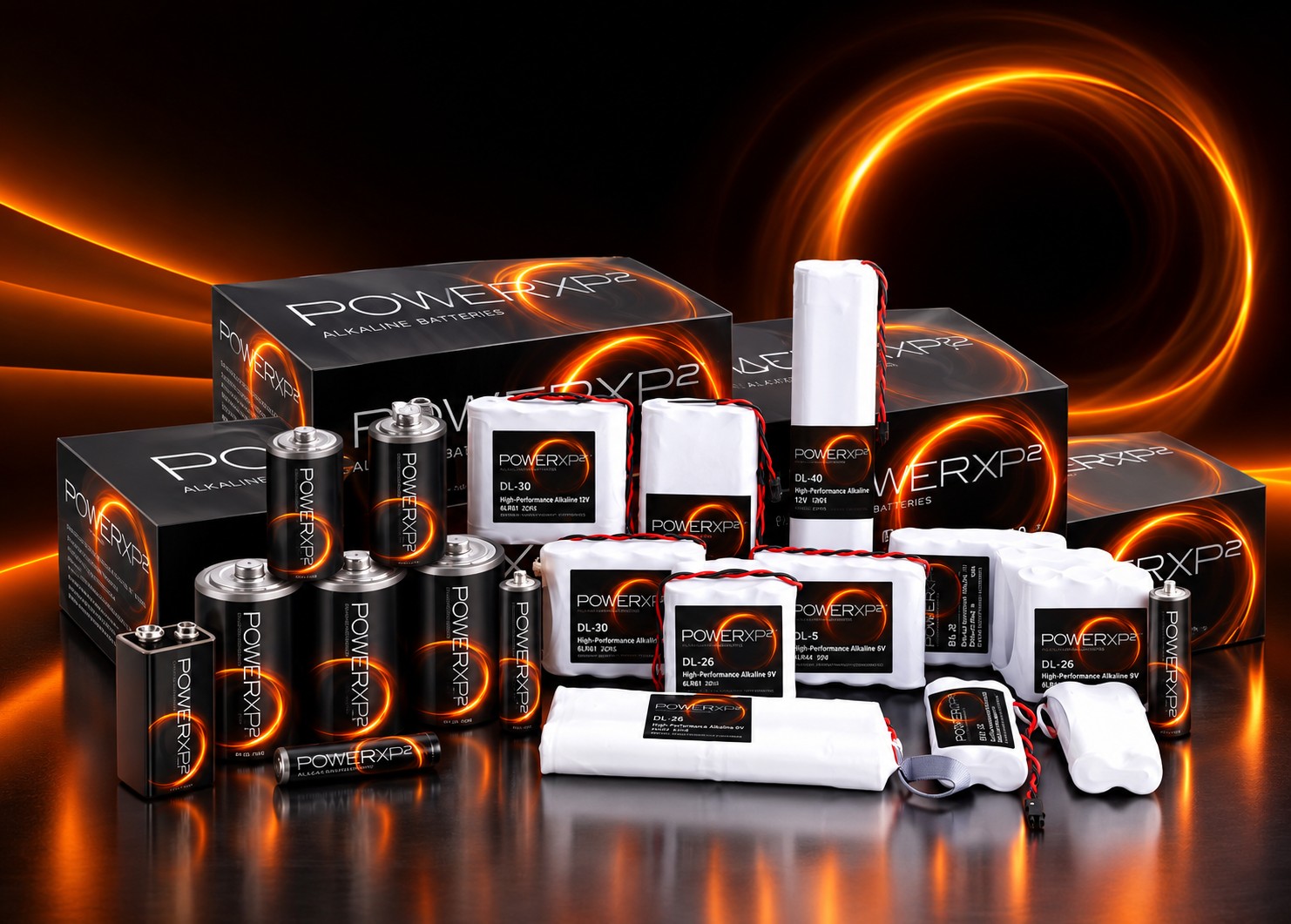
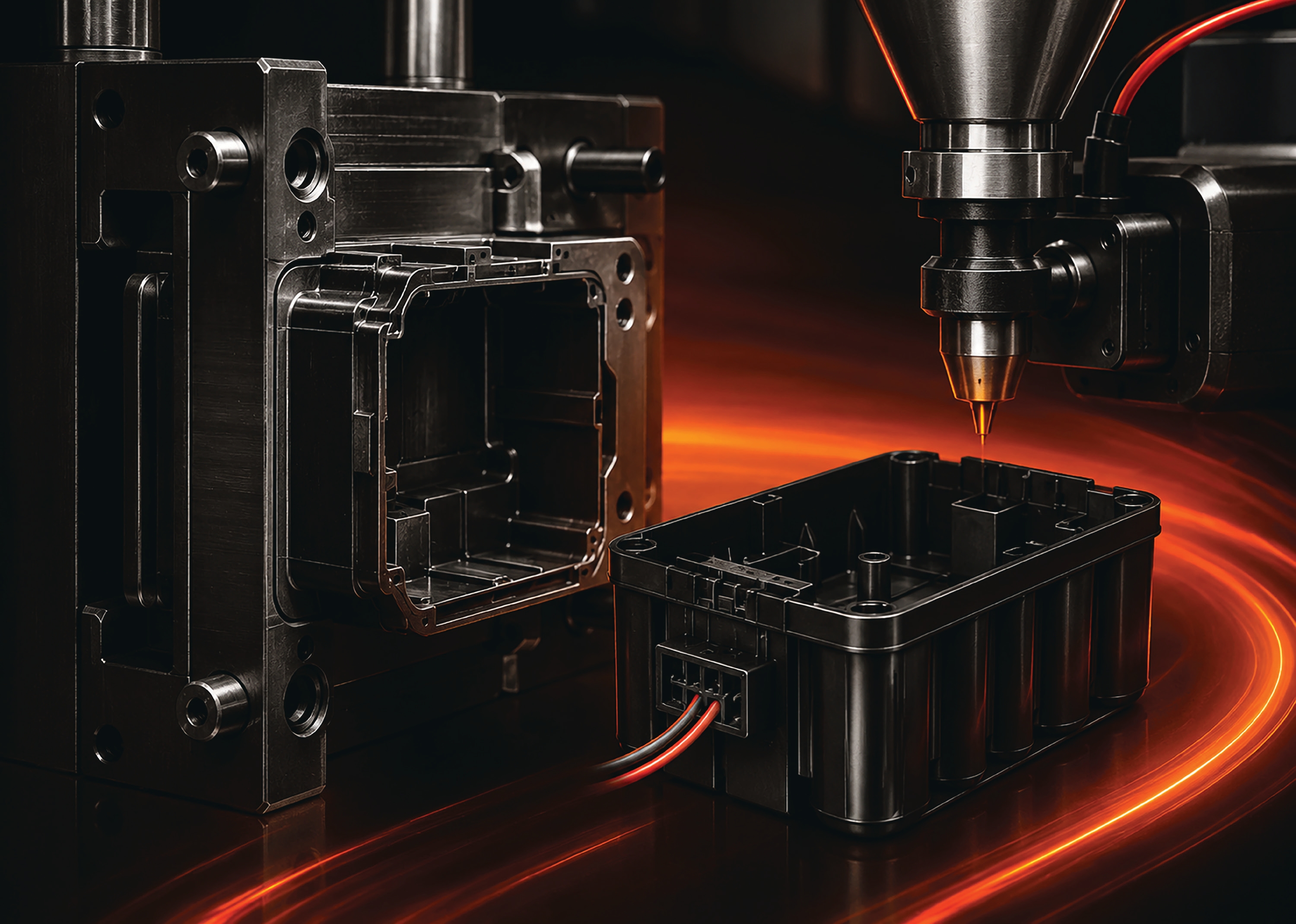
Most buyers focus on the cell when evaluating a battery pack. That’s understandable , the chemistry is where the energy lives. But the housing around those cells does more work than most people realize. Injection molding for battery packs is the manufacturing process that determines how well a pack protects its cells, how precisely it fits a device, and how well it holds up in the environments where commercial battery packs actually operate. What Is Injection Molding and Why Does It Matter for Battery Packs? Injection molding is the process of injecting molten thermoplastic material into a precisely machined mold to produce a component with exact dimensional tolerances. In battery pack manufacturing, injection molding is used to create the housing , the plastic shell that holds the cells in position, provides structural integrity, and integrates connectors, contact points, and retention features that allow the pack to interface with a specific device. The precision of the mold directly determines how well the pack fits its intended device. A housing with loose tolerances causes vibration, intermittent electrical contact, and mechanical wear over time. A housing with tight tolerances produced from the right thermoplastic compound delivers consistent fit, protects the cells from shock and vibration, and contributes to the pack’s overall service life. According to the American Chemistry Council, injection molded plastics are used in over 30 percent of all manufactured goods in the United States due to their dimensional consistency and material versatility (https://www.americanchemistry.com/). In battery pack production, that precision is not a cosmetic concern , it’s a functional requirement. How Does the Housing Design Affect Battery Pack Performance? The housing is more than a container. It does several things simultaneously that affect how the cells inside it behave. It manages thermal environment , an overly tight or poorly ventilated housing can trap heat generated during discharge, which accelerates cell degradation. It provides mechanical protection , a drop or impact that would crack a poorly designed housing can shift cells within the pack, altering contact resistance and compromising voltage delivery. It also determines whether the pack can be serviced or must be replaced as a unit. Custom door lock battery packs, for instance, often integrate proprietary connectors and precise cell arrangements that must be replicated exactly to maintain lock system compatibility. A deviation in housing geometry of even a millimeter can mean the pack doesn’t seat correctly , which means the lock doesn’t operate. Powerhouse Two designs and manufactures custom battery packs that account for all of these variables. Their housing designs are developed alongside the cell specification, not after it, ensuring that the mechanical and electrochemical elements of the pack work as a unified system. Learn more about their custom alkaline pack capabilities at https://powerhb.com/custom-alkaline-battery-packs/. What Are Industrial-Grade Power XP2 Batteries and How Do They Fit Into Custom Packs? The industrial-grade Power XP2 batteries from Powerhouse Two are the alkaline cells that go inside those custom-engineered housings. They represent the current high-water mark in Powerhouse Two’s alkaline chemistry development , an evolution of the original Power XP that has been deployed in electronic door lock systems for over two decades. The Power XP2 is characterized by three engineering features that matter specifically in high-demand commercial applications. Steel casing eliminates the corrosion and oxidation vulnerabilities of soft-cased alternatives. Quick recovery technology maintains voltage output between consecutive high-draw cycles, which is critical in applications like electronic door locks, where the actuator draws a surge of current every time it operates. And advanced alkaline chemistry delivers consistent discharge curves that protect device performance through the full battery life. When these cells are built into a precision injection-molded housing with the right connector geometry for the target device, the result is a battery pack that functions as an engineered component, not a consumable afterthought. Explore the full Power XP2 range at https://powerhb.com/alkaline-by-power-xp/. Why Does Powerhouse Two’s Approach to Custom Pack Design Stand Out? Most battery suppliers choose between selling standard cells or selling standard packs. Powerhouse Two does neither. Their approach is to engage with the client at the design stage, understanding the device requirements, the deployment environment, the service interval expectations, and the connector specifications , and then build a pack from the ground up that meets those requirements precisely. That means chemistry selection, cell configuration, housing design, connector integration, and quality documentation are all developed in concert. For contract manufacturers and OEM clients who need a battery pack to function as a defined component in a finished product, not as a variable they’re managing separately , this integrated approach removes a significant engineering and procurement burden. At Powerhouse Two, every client engagement starts with a conversation about what the device actually needs. If you’re building a product that depends on reliable power delivery in a challenging environment, that conversation is worth having. Visit https://powerhb.com/ to connect with the team. Is It Time to Rethink Your Battery Pack Supplier? If your current battery packs are creating service issues, failing ahead of their expected service interval, or simply not fitting your devices with the precision you need , the answer is probably yes. The combination of precision injection-molded housings and industrial-grade Power XP2 chemistry gives Powerhouse Two’s custom packs a performance baseline that standard off-the-shelf alternatives can’t reach. The right battery pack is an engineered solution. And engineering solutions require manufacturers who approach the work that way from the start. Frequently Asked Questions (FAQs) What thermoplastics are commonly used in battery pack housings? ABS, polypropylene, and polycarbonate are the most widely used. The selection depends on the thermal environment, impact requirements, and UL flammability ratings required for the application. Can Powerhouse Two design a custom housing for a proprietary connector? Yes. Powerhouse Two’s design team develops custom pack housings to accommodate proprietary connector geometries and device interface requirements specific to each client’s application. How does injection molded housing quality affect battery cell lifespan? A poorly designed housing can cause mechanical stress on cells, trap heat, and allow vibration that degrades contact points over time. What Does Injection Molding Have to Do With Battery Pack Performance?

Everything You Must Know About EV Battery Development

EV battery development

The quick rise of electric fleets means business managers need to learn a whole new way of handling energy. Most people just look at how far a truck can drive on a single charge. But you also need to think about the long supply chains and recycling steps behind those big power packs. At Powerhouse Two, we track these massive industry shifts every day to keep your business ahead of the game. Our tech team watches the newest trends to build better tools for your daily operations. We know that following EV battery development helps you make much smarter choices for your building layouts and fleet choices. What keeps a high-capacity cell pack running safely? Putting together a large power pack requires extreme care and very tight fits. Tiny mistakes in the wiring or cell layout can cause hot spots that lower your total vehicle power. According to energy sheets from the U.S. Department of Energy, smooth cell layout is the number one way to make batteries last longer. We use these exact facts when planning our custom tools, relying on automated lines to keep every single part uniform. How does smart temperature tracking stop big hardware errors? High-voltage systems create a lot of internal heat when you charge them fast or accelerate quickly. Without smart tracking chips, this extra heat can melt parts and ruin the lifespan of your fleet. We put advanced management chips into our custom builds to watch heat levels and balance cell voltage in real time. This safety shield keeps your systems running cool and stops early breakdown issues. What makes industrial battery development different from consumer tech? Commercial cells have to survive a much harder life than the batteries inside your home electronics. Heavy trucks and factory gear shake components constantly and operate in harsh environments. To ensure your systems survive these daily abuses, our development team builds specific design features into our heavy-duty lines: Thick steel support frames that absorb hard drops and heavy road bumps. Shock-absorbing gel layers that protect delicate wire bonds from constant road vibrations. High-flow cooling channels that pull dangerous heat away from the cell core during fast charges. Sealed outer cases that keep out dust, moisture, and spilled oil on the shop floor. Why is direct tracking so important for your business supply line? Buying large energy parts from random brokers creates big quality gaps and inventory age risks. A big battery that sits in an unmonitored warehouse for months will lose power before you even install it. Our direct factory-to-door shipping model gets rid of those middle steps. This clear path means your business gets fresh, fully tested parts with a known build history for peace of mind. To look over our full suite of custom commercial energy tools, visit our main home page. Can clean manufacturing paths ease your legal paperwork? Modern fleet teams must follow strict local laws when they handle high-power cells. Environmental clean-up rules from the U.S. Environmental Protection Agency urge firms to drop their use of heavy metals. We hit these green goals by keeping our build lines 100 percent free of mercury and cadmium. This clean method makes your disposal steps simple and cuts out expensive hazardous waste fees. How does veteran-led care keep your orders on track? At Powerhouse Two, we treat your delivery deadlines as absolute commitments. Our veteran-led structure instills a culture of strict accountability, clear communication, and precise technical execution across our entire global logistics network. We do not hide behind automated response systems or make vague delivery promises; we provide direct access to the team managing your account. This operational discipline means we actively anticipate supply chain friction before it impacts your production line. We apply military-grade contingency planning to our component sourcing and shipping lanes. This risk-mitigation strategy ensures that even during global logistics upheavals, your inventory remains stable and predictable. When raw material costs fluctuate or transit lanes tighten, our team relies on structured execution rather than reactive scrambling. By treating your delivery schedules as mission-critical objectives, we eliminate the guesswork from your procurement cycle and protect your operational uptime. What should you do with large cells when their fleet life ends? Managing a large power setup means looking past the first few years of use to see the whole life of the asset. When a truck pack drops to 80 percent of its original power, it cannot push enough current for heavy hauling. But those used cells still hold a massive amount of real electrical energy. Our tech team studies how to turn these old packs into second life batteries for stationary backup use. As you can read on our custom lithium cell page, putting these old units into static solar setups or office backup lines gives them a fresh start. This green choice helps businesses lower their energy bills while keeping valuable metals out of local dumps. EV battery development is Powerhouse Two’s Forte We believe that modern operations heads deserve clear choices and real engineering help to handle the shifting power market. At Powerhouse Two, we pair direct factory shipping with disciplined quality checks to deliver great power goods. We help you fix supply chain gaps so you can scale your energy setup safely. Let us help your team build a smart, long-lasting power plan today. Connect with our custom design group now by visiting our main contact page. Frequently Asked Questions (FAQs) How does EV battery development change everyday facility planning? It brings big updates in energy density and heat safety, which makes building backup systems much more reliable. What is the normal lifespan of a custom lithium cell pack? With active balancing and good heat tracking, industrial packs can run smoothly for thousands of full cycles. Are second life batteries safe for office emergency backup grids? Yes, when tested and fitted with smart protection chips, they offer a safe, low-cost option for static storage. How does Powerhouse Two protect large packs from road shake? We build our custom Everything You Must Know About EV Battery Development

Long Lasting Alkaline Battery- What Makes XP2 Alkaline a Smart Choice

Long lasting alkaline battery

Have you ever noticed how some batteries die after just a few weeks while others keep going for months? It can be incredibly frustrating to deal with equipment that constantly runs out of juice. Most business buyers fall into a simple trap. They buy cheap retail batteries in bulk to save a few pennies up front. But those consumer cells just cannot handle tough daily use. At Powerhouse Two, we want to help you fix this budget leak for good. When you look for a truly long lasting alkaline battery, you need to check the active ingredients inside the cell. We build our products with premium raw materials so your devices stay up and running. Our team cuts out the middleman to deliver fresh power choices that make your life much easier. What makes a power cell hold its charge for so long? Building a great battery takes smart planning and strong materials. Cheap store batteries use thin walls that bend or break when they get warm. We build our cells with thick steel shells and strong plastic seals to keep everything safe inside. According to safety sheets from the National Institute of Standards and Technology, tough outer shells prevent leaks and protect your gear. This simple design trick stops nasty chemical spills from ruining your expensive tools. How does pure chemistry stop sudden voltage drops? Smart tools and wireless sensors need a steady flow of electricity to send data without any errors. Basic consumer batteries often suffer from sudden power drops when a motor or screen turns on. We fix this issue by using ultra-pure manganese dioxide inside our core. This clean mix keeps the power flow smooth and steady from start to finish. It means your tools get the exact energy they need to work right every time. What are the key benefits of upgrading your facility power cells? Switching to industrial-grade cells changes how you manage your workplace. Your team will spend far less time hunting down dead units and more time on important projects. When you swap out weak retail options for our premium cells, you get immediate perks: Fewer battery changes which saves your team hours of tedious manual labor every month. Zero risk of chemical rust inside your electronic locks and handheld readers. Perfect data flow because your remote sensors will never drop offline due to a weak charge. Better budget planning since you will buy fewer replacement packs throughout the year. Why does shipping direct from the factory protect your inventory? Batteries are alive in a chemical way and they slowly lose power just sitting on a shelf. Regular retail stores use long shipping routes, so cells might sit in dusty warehouses for a whole year. Our direct factory-to-door model cuts out those extra stops completely. This setup ensures that your business gets fresh packs with full energy density every time you order. To see our full line of long-life commercial power options, check out our alkaline by power xp page. Can mercury-free batteries help you meet your green goals? Modern corporate rules mean facility managers must watch their waste footprint very closely. Rules from the U.S. Environmental Protection Agency tell businesses to keep heavy metals out of the trash. We help you meet these green goals by keeping our batteries 100 percent free of mercury and cadmium. This clean mix makes recycling simple and keeps your team safe from toxic chemicals. How does our main cell compare to other battery types? Choosing the right power match depends on how your specific tools use energy. Some engineering teams like to use a rechargeable nickel‑metal hydride battery for heavy tools. While rechargeables are great for things you use every hour, they lose their charge quickly when left on a shelf. Our primary alkaline cells work much better for things like smoke alarms and backup sensors. As you can see on our custom alkaline battery packs page, our cells hold their power for up to ten full years. This long shelf life gives you a great, worry-free option for emergency backup stock. XP2 Alkaline –A  Smart Choice Indeed We believe that business buyers deserve honest facts and direct communication from their vendors. At Powerhouse Two, our veteran-led team focuses on delivering top-notch, reliable power tools. We take the guesswork out of the supply chain so you can focus on growing your business. Let us help you set up a smart, cost-effective power plan that protects your facility today. Connect with our support staff directly by visiting our main contact page. Frequently Asked Questions (FAQs) Why do Power XP2 batteries last longer than standard store brands? They use high-purity raw materials and a low-resistance design that stops early power drops. Can these long-life cells work well in cold outdoor areas? Yes, our cells are built to stay strong in extreme weather from minus 18 to 55 degrees Celsius. Do these packs come with a shelf-life guarantee? Yes, our advanced mix is rated to hold its charge for ten years in a standard storage room. Are Powerhouse Two batteries safe for sensitive office gear? Absolutely, our leak-proof and mercury-free design keeps all your high-value devices safe. How can our purchasing team get a bulk price quote? You can drop us a line through our website portal to get a fast, custom quote for your business. They use high-purity raw materials and a low-resistance design that stops early power drops. Yes, our cells are built to stay strong in extreme weather from minus 18 to 55 degrees Celsius. Yes, our advanced mix is rated to hold its charge for ten years in a standard storage room. Absolutely, our leak-proof and mercury-free design keeps all your high-value devices safe. You can drop us a line through our website portal to get a fast, custom quote for your business.

Here’s Why You Should Buy Power XP2 AA Alkaline Batteries Online

AA alkaline batteries

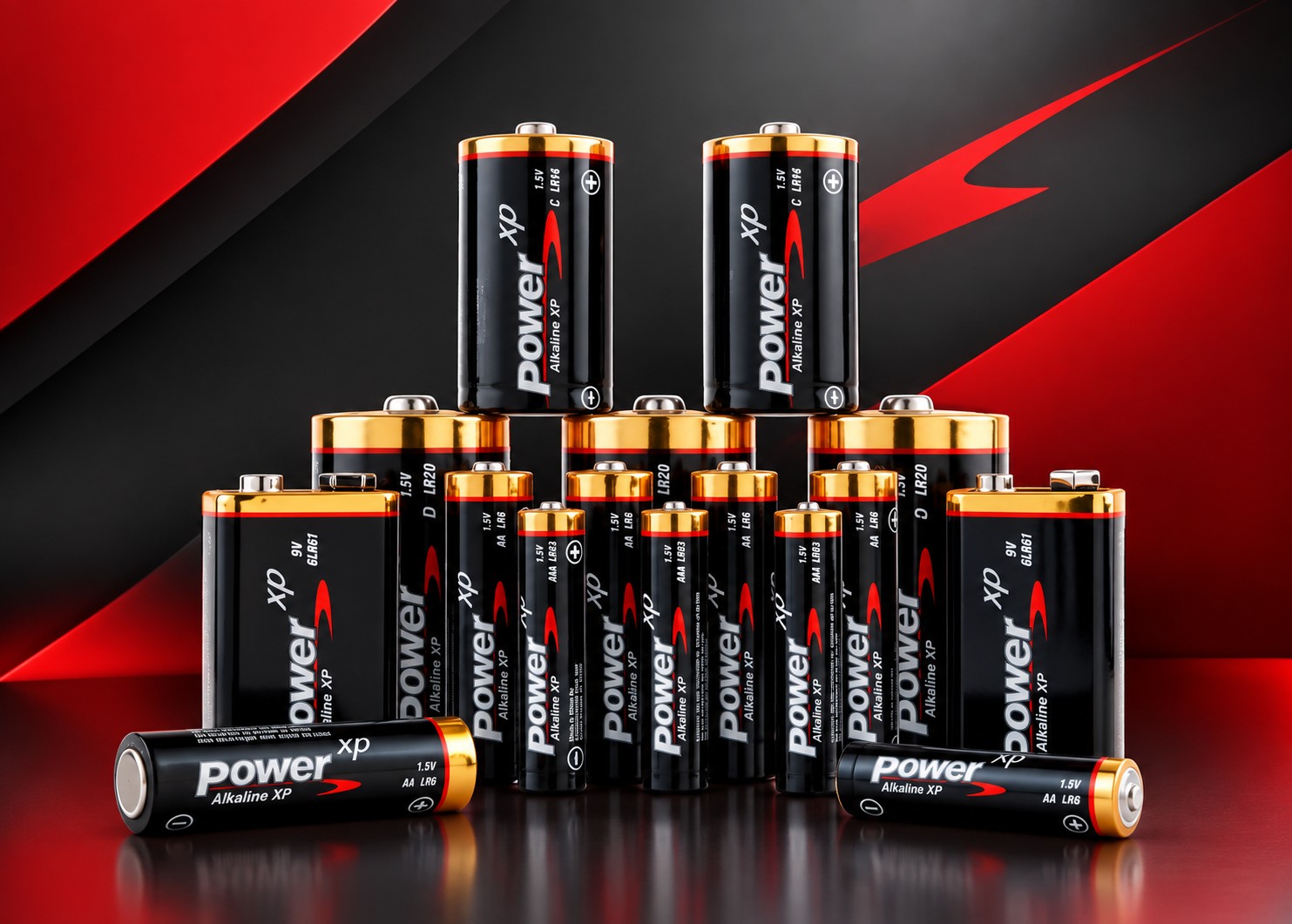
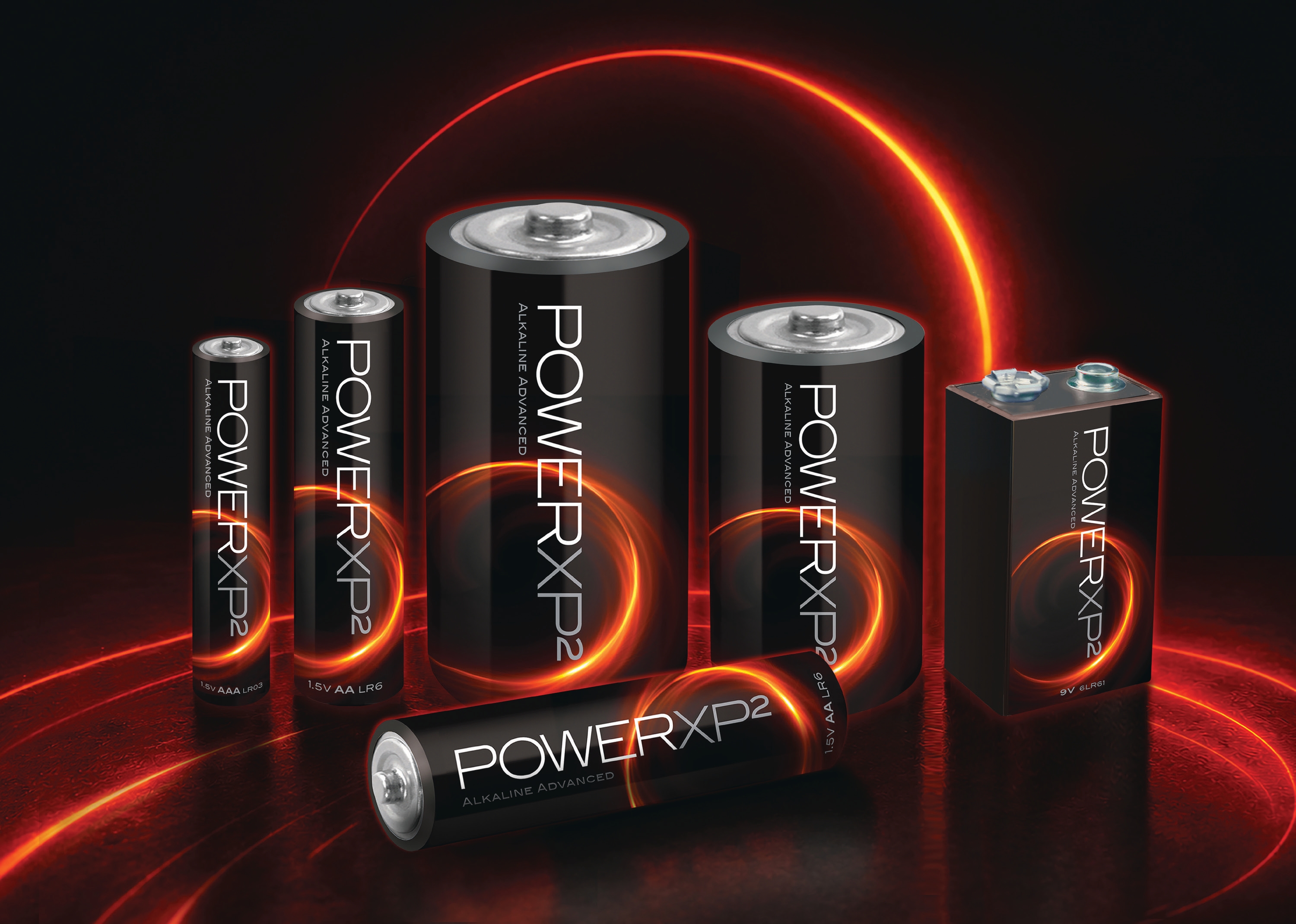
If you run a busy facility, you already know how annoying it is when gear goes down out of nowhere. Think about how many hours your maintenance team wastes every month just swapping out short-lived retail batteries inside your equipment. Many operations managers assume that all double-A cells are pretty much the same. But choosing generic retail options usually leads to massive budget leaks and sudden hardware failures on the floor. At Powerhouse Two, we know you need total efficiency and absolute cost control. That is why we offer a direct channel to factory-fresh inventory that cuts out intermediate distributor delays completely. When you buy Power XP2 AA alkaline batteries online, you get a high-density power cell built to handle tough, continuous industrial loads. Our easy online platform allows your procurement managers to lock in a steady supply line that keeps your facility running smoothly. Why does buying direct from the factory floor protect your cell capacity? Alkaline cells are perishable items that lose a bit of their initial energy capacity every single month they sit around. Traditional retail setup involves complex shipping networks where stock sits in regional warehouses for up to a year before you buy it. According to commercial logistics studies from the U.S. Department of Transportation, direct-to-business shipping models maximize component quality control. Our factory-to-door system ensures that your cells arrive at your facility with their chemical potential fully intact. This freshness translates directly to longer field runtimes and fewer emergency maintenance trips. What technical features separate our premium AA cells from retail stock? Our commercial double-A cells are built to satisfy the intense power demands of advanced corporate hardware. Standard consumer batteries suffer from rapid voltage drop when high-drain features like wireless data radios or motorized latches kick in. According to the verified PH2-XP2-AA-SPEC data, our premium cells maintain a stable 1.5-volt nominal plateau. This consistent energy delivery prevents the false low-battery alerts that plague inferior products and cause premature changeouts. How do reinforced steel walls eliminate costly device corrosion? Traditional batteries often leak caustic chemicals when they are subjected to heavy electrical drain or high summer temperatures inside facilities. These chemical spills can easily destroy internal wiring contacts and ruin devices worth hundreds of dollars. We eliminate this hazard by utilizing a thicker structural steel shell and advanced internal safety vents. This heavy-duty design safely balances internal gas pressure adjustments during continuous high-use periods, ensuring total terminal safety for your hardware fleet. To explore our full range of industrial alkaline power cells, view our alkaline by power xp breakdown. Can direct online component procurement streamline your corporate budget? Sourcing your facility maintenance cells through a centralized digital portal removes unnecessary intermediate markups and broker fees. Your procurement team can establish recurring delivery cycles that align perfectly with your actual monthly consumption metrics. This direct relationship removes the risk of sudden stock shortages and ensures price stability across all your operational locations. Having a transparent cost model simplifies your annual budgeting process and lowers overall facility overhead. What environmental compliance standards do our primary cells meet? Modern corporate governance requires property managers to document their ecological waste footprint carefully. Federal clean-up mandates from the U.S. Environmental Protection Agency encourage industries to choose components that contain no hazardous heavy metals. Our entire industrial battery line is manufactured 100 percent free of mercury and cadmium. This clean chemical composition allows your facilities team to follow standard recycling streams without dealing with complicated hazardous material surcharges. How do tailored power configurations assist multi-site facility managers? Vast facility networks like hotels, hospitals, and corporate campuses often use highly specific automated hardware. Standard single-cell configurations cannot always satisfy the long-term energy needs of complex automated entry systems or secondary security panels. Our design group addresses this industrial demand by engineering a durable alkaline battery pack configuration customized to your exact voltage parameters. As outlined on our custom alkaline battery packs service page, we utilize automated welding lines to ensure absolute lot uniformity. This precise assembly process helps multi-site managers achieve completely predictable device runtimes across thousands of physical assets. Take Absolute Control of Your Facility Energy Supply Lines We believe that procurement managers deserve complete transparency and uncompromised quality from their component vendors. At Powerhouse Two, our veteran-led organization focuses entirely on providing high-performance, lot-controlled power assets. We eliminate the unpredictability of traditional retail lines so your teams can focus on core facility operations. Let us work together to build a reliable energy program that protects your uptime. Connect with our commercial account team today by visiting our contact page. Frequently Asked Questions (FAQs) What is the benefit of ordering Power XP2 AA cells through the online portal? It ensures you receive factory-fresh inventory directly from production, avoiding the energy loss common with warehouse-stored retail stock. How long can our facilities team store these AA batteries in reserve? Our premium double-A cells feature a ten-year shelf life when stored in standard cool, dry facility environments. Are these industrial-grade cells compatible with standard electronic door locks? Yes, they are engineered specifically to handle the high peak pulse demands of motorized commercial door hardware. Do you provide lot-tracking documentation for enterprise quality compliance? Absolutely, every shipment contains clear lot serialization data to ensure full accountability from our production floor to your facility. How can we set up automated monthly shipments for multiple regional branches? You can coordinate directly with our logistics team through the website to establish a custom multi-location delivery program. It ensures you receive factory-fresh inventory directly from production, avoiding the energy loss common with warehouse-stored retail stock. Our premium double-A cells feature a ten-year shelf life when stored in standard cool, dry facility environments. Yes, they are engineered specifically to handle the high peak pulse demands of motorized commercial door hardware. Absolutely, every shipment contains clear lot serialization data to ensure full accountability from our production floor to your facility. You can coordinate directly with our logistics team through the website to establish a custom multi-location delivery program.

CE Certified Chargers: What American Buyers Need to Know?

CE certified charger

Are you certain that the power adapters charging your commercial device fleets meet international electrical safety standards? Many purchasing departments buy low-cost power accessories without verifying their technical safety credentials. This shortcut exposes your corporate facility to severe electrical failures and expensive property liability. At Powerhouse Two, we know that charging safety is a top priority for modern product developers. That is why we focus on delivering fully verified components that protect your hardware investments. When you procure a CE certified charger, you ensure your systems comply with strict European safety and environmental laws. Our engineering group works closely with global manufacturers to deliver clean power delivery components that eliminate operational hazards. What does an international compliance mark mean for your facility? A compliance mark is a legal declaration that an electronic component meets essential health, safety, and environmental standards. According to safety manufacturing guidelines from the National Institute of Standards and Technology, certified electrical components significantly reduce the risk of structural office fires. Our power adapters undergo rigorous independent testing before they ever reach your assembly lines. This careful verification process shields your business from regulatory fines and protects your personnel during daily equipment usage. How do certified adapters prevent corporate equipment damage? Uncertified charging blocks often suffer from voltage spikes and internal short circuits when the local electrical grid fluctuates. These sudden power surges can travel straight through the charging cable and fry the delicate microprocessors inside your devices. We build our premium chargers with integrated over-voltage and short-circuit protection layers. This defensive circuitry acts as a barrier, absorbing electrical anomalies safely to preserve the operational lifespan of your primary hardware assets. What protective features are included in industrial charging hardware? To safeguard your commercial equipment investments, our entire manufacturing line incorporates specific technical defenses to maintain stable power flow. Every adapter block is engineered with high-grade components that handle electrical load stress without failing early. When you source hardware from our facility, your systems are fully protected by several integrated safety mechanisms: Over-voltage suppression grids that stop sudden line surges from melting internal components. Flame-retardant outer polymer shells that prevent secondary fire hazards in server rooms. Automatic current throttling switches that modify output power based on real-time device battery temperatures. Advanced electromagnetic shielding foils that isolate static background noise from wireless facility data routers. Why is smart thermal management crucial during high-voltage charging? High-speed charging cycles generate significant heat that can degrade electronic components if left unmanaged. Our certified chargers utilize advanced internal heat sinks and flame-retardant housings to dissipate thermal energy efficiently. This keeps the operating temperature well within safe boundaries, preventing localized melting or component warping. Maintaining cool charging cycles also extends the long-term reliability of the internal power adapters themselves. To see our full spectrum of certified power supplies, chargers, and adapters, view our specialized power supplies, chargers, and AC/DC adapters section. What role does clean electricity play in preventing data corruption? Cheap power accessories often introduce electromagnetic interference into your local workplace environment. This electrical noise can disrupt wireless data networks and cause handheld devices to drop connections during sync cycles. Our power products feature advanced electromagnetic shielding to ensure a clean, stable current delivery. Eliminating background interference allows your digital systems to transmit data smoothly without mysterious system lag or file corruption. How does veteran leadership improve your power component sourcing? At Powerhouse Two, our corporate structure is built on a foundation of strict operational discipline and technical accuracy. We do not use vague delivery windows or hide product origin data behind complicated marketing talk. We provide transparent lot data and clear technical documentation for every single shipment. This level of corporate accountability ensures your engineering teams can plan system integration schedules with complete confidence. Why must your proprietary hardware use an optimized custom cell? Developing advanced commercial devices means you cannot rely on weak, standard battery options found in consumer retail stores. Forcing a generic battery pack into a custom-engineered enclosure can lead to uneven weight distribution and severe thermal vulnerabilities. Our design group helps you avoid these flaws by engineering a high-density lithium battery layout tailored to your specific mechanical drawings. As detailed on our custom lithium cell development page, we include advanced battery management systems within every assembly. This smart integration balances individual cell voltage and stops dangerous overcharging before it starts. Elevate Your Product Safety Baseline with Powerhouse Two We believe that power delivery should always be the most stable aspect of your commercial hardware deployment. At Powerhouse Two, we move beyond acting as a simple hardware vendor to become your dedicated engineering ally. By combining factory-direct delivery with certified global safety compliance, we protect your brand reputation and operational budgets. Let us work together to eliminate electrical risks from your commercial device fleet. Connect directly with our component design group by visiting our central contact page. Frequently Asked Questions (FAQs) Why is a CE certified charger required for commercial corporate settings? It proves the component has passed independent electrical safety testing, which lowers workplace fire hazards and limits corporate liability. Can a bad charger shorten the life of my industrial lithium battery? Yes, uncertified chargers can deliver unstable voltage that degrades battery chemistry and reduces total lifecycle capacity. Do your power adapters include built-in surge protection systems? Absolutely, our entire adapter lineup features integrated safety circuits to block sudden voltage spikes from reaching your hardware. How do I obtain the compliance certification papers for my procurement audit? Our logistics support group provides full compliance documentation and technical data sheets with every corporate order. Can Powerhouse Two customize adapter cables for proprietary equipment chassis? Yes, we can customize cord lengths, jacket insulation, and connector pin configurations to match your precise hardware specifications. It proves the component has passed independent electrical safety testing, which lowers workplace fire hazards and limits corporate liability. Yes, uncertified chargers can deliver unstable voltage that degrades battery chemistry and reduces total lifecycle capacity. Absolutely, our entire adapter lineup features integrated safety circuits to CE Certified Chargers: What American Buyers Need to Know?

D Power XP2 Alkaline Batteries-Worth The Specs and Hype!

D Power XP2 Alkaline Batteries

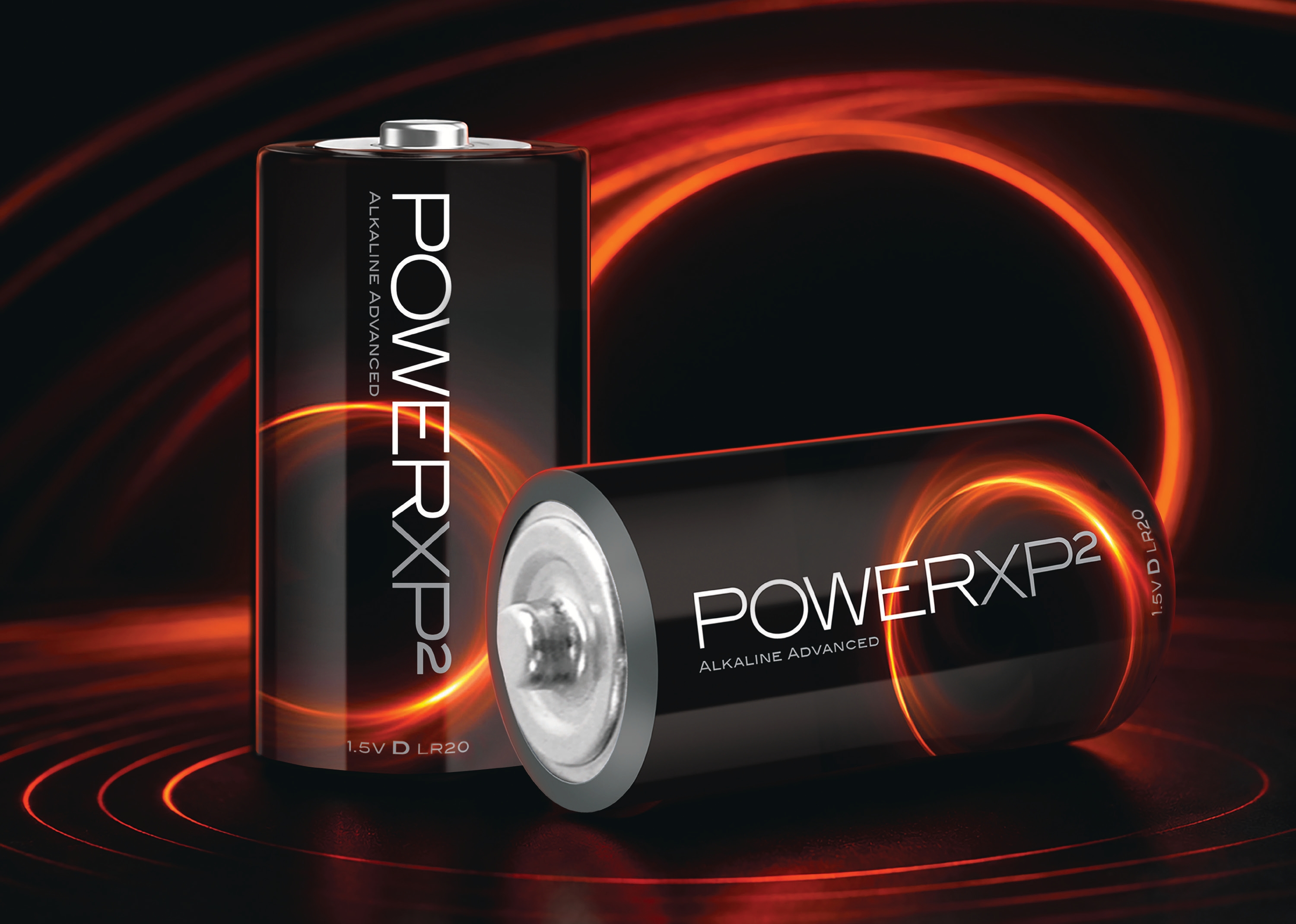
Some commercial devices lose power long before their scheduled maintenance checks.  It happens all the time when teams use standard consumer cells instead of commercial items. Buying retail batteries means your hardware is vulnerable to sudden voltage drops. At Powerhouse Two, we know how much a sudden failure can disrupt your daily facility operations. That is why we engineer high-performance cells that solve the root cause of early power drain. When you choose D Power XP2 alkaline batteries, you are investing in clean chemistry that keeps your hardware active. We focus on delivering factory-fresh products directly to enterprise buyers to bypass intermediate warehouse degradation. Why do standard cells fail early under heavy commercial loads? Industrial equipment requires a steady flow of electrical energy to complete automated tasks without stopping. Retail cells are built for low-drain household items like television remotes and small wall clocks. When you place those generic items into heavy automatic paper towel dispensers or electronic water valves, they suffer from immediate voltage sag. Data from the U.S. Department of Energy confirms that optimizing chemical energy storage is critical for maintaining infrastructure resilience. We solve this exact problem by utilizing high-purity manganese dioxide within our cell core. This advanced formula ensures your industrial hardware receives a flat voltage plateau for a much longer deployment cycle. What are the exact technical dimensions of this heavy-duty cell? Procurement teams need hard facts and dimensions rather than vague marketing promises before making a vendor switch. According to the official PH2-XP2-D-SPEC sheet, our premium D cell features a stable nominal voltage of 1.5 volts. The average weight of this robust cell is approximately 140 grams, reflecting the high volume of active energy material inside. It operates smoothly across a wide temperature range from minus 18 degrees up to 55 degrees Celsius. These numbers show that our cells are prepared to handle tough factory floors and unpredictable outdoor utility enclosures. How does factory freshness improve your total cost of ownership? Every battery is a live chemical system that slowly loses energy capacity while sitting on a shelf. Traditional distribution routes involve multiple middleman warehouses where stock can sit for over a year before shipping. We fix this vulnerability by operating a direct factory-to-door logistics program for our business clients. This approach ensures that every case of cells arrives at your facility with 100 percent chemical energy density intact. By delivering fresh cells, we help your facility maintenance team extend changeout intervals and lower manual labor overhead. To review our complete inventory of industrial energy configurations, feel free to visit our corporate home page. Can clean chemistry simplify your corporate facility compliance? Modern commercial property groups face strict guidelines when discarding electronic components and spent power cells. Regulatory tracking frameworks from the U.S. Environmental Protection Agency urge organizations to minimize heavy metal waste streams. We support your corporate sustainability initiatives by manufacturing our entire power lineup completely free of mercury and cadmium. This eco-friendly formulation simplifies your institutional recycling protocols and removes the expensive hazardous disposal surcharges common with older battery types. It also protects your personnel from exposure to toxic elements during routine maintenance. What makes the structural casing of our cells completely leak-proof? Battery leakage can destroy high-value device terminals and lead to expensive corporate asset losses. High-drain applications generate significant internal heat and gas pressure inside a power cell during prolonged usage. We prevent casing ruptures by utilizing a reinforced steel outer shield paired with a specialized polymer seal. This triple-seal technology contains internal pressure shifts safely even under harsh continuous current loads. Protecting your equipment from corrosive chemical spills means your hardware investments remain safe for the long haul. Why choose smaller commercial cells for your digital displays? Facility management also involves keeping hundreds of smaller devices like smart door locks and emergency signs active. Selecting premium AAA batteries for LED lights and connected building systems requires a cell that can handle rapid, high-pulse data transmissions. Our commercial AAA cells utilize the same robust chemical core as our larger format cells to prevent sudden communication dropouts. According to the official PH2-XP2-AAA-SPEC sheet, these smaller units deliver maximum reliability under erratic digital loads. This comprehensive cell durability across all sizes keeps your entire automated enterprise architecture operating in complete harmony. To see how our engineering group approaches modern hardware challenges, explore our recent blogs index. D Power XP2 Alkaline Batteries-Lives Up to the Expectations! We believe that your commercial equipment should never be limited by a subpar consumer power source. At Powerhouse Two, our veteran-led structure means we treat your operational timelines as strict mission-critical objectives. We focus on providing direct technical data and lot-controlled freshness instead of utilizing standard brokerage tricks. Let us assist your procurement team in building a reliable, predictable energy pipeline that secures your facility uptime. Connect with our deployment engineers today by visiting our direct contact page. Frequently Asked Questions (FAQs) 1. What separates commercial D cells from standard store-bought batteries? Commercial cells feature higher chemical purity levels and thicker steel walls designed to withstand continuous heavy industrial current loads without leaking. 2. How does factory-direct delivery alter the shelf life of my backup inventory? Bypassing intermediate distributor warehouses stops capacity loss, allowing you to store our premium cells for up to ten years confidently. 3. Are these heavy-duty batteries safe for indoor public facility devices? Yes, our entire product line is mercury and cadmium free, making them safe for public spaces and simple to recycle. 4. Can the D XP2 battery function in freezing outdoor utility enclosures? Absolutely, our cells are engineered to maintain complete voltage stability in extreme weather from minus 18 to 55 degrees Celsius. 5. How can I request a custom bulk delivery schedule for my corporate locations? You can reach out directly to our logistics team through our website portal to set up an automated supply program. Commercial cells feature higher chemical purity levels and thicker steel walls designed to withstand continuous heavy industrial current loads without leaking. Bypassing intermediate D Power XP2 Alkaline Batteries-Worth The Specs and Hype!